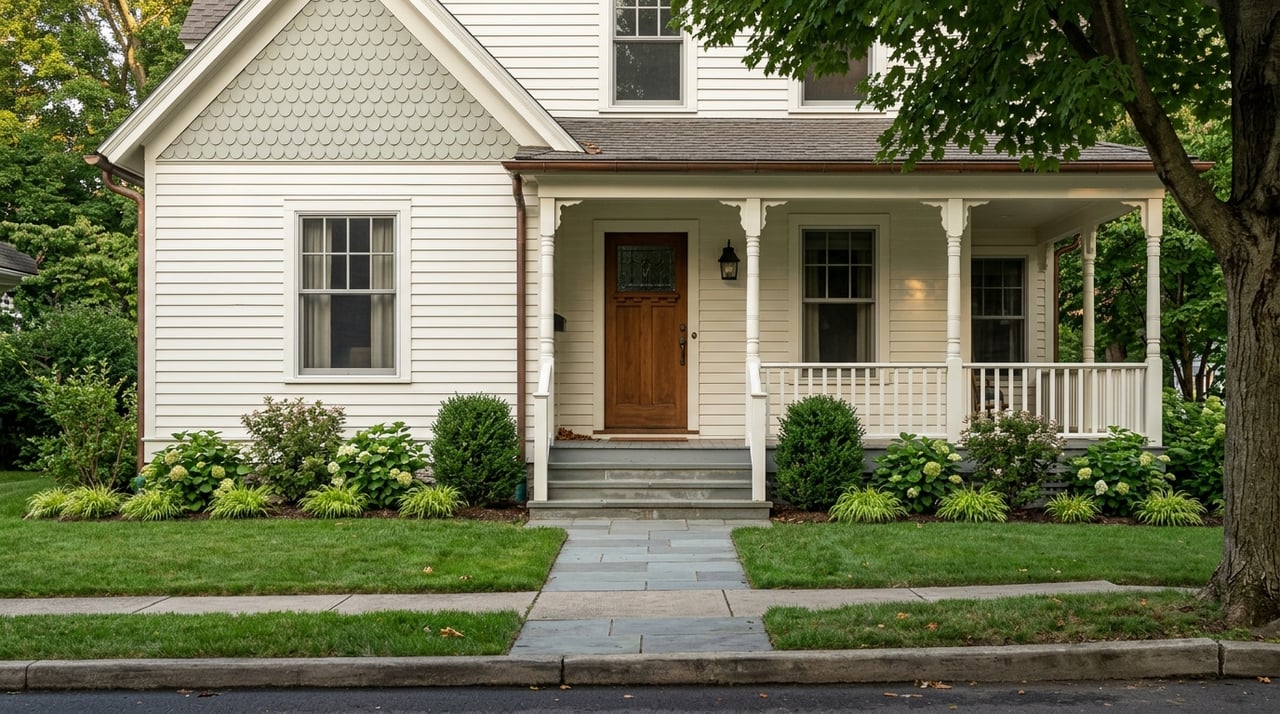
Dreaming about a historic home in Sleepy Hollow? You are not alone. The village’s mix of early settlement roots, Victorian charm, and classic suburban streets can make older homes feel unforgettable, but buying one takes a different level of homework. If you are considering a historic property here, it helps to know what “historic” really means, what issues to investigate early, and how to plan for ownership with confidence. Let’s dive in.
What “historic” means in Sleepy Hollow
Sleepy Hollow’s housing story stretches from 17th-century Dutch settlement to 19th-century industry and early-20th-century neighborhood development. That long timeline helps explain why you may see homes that feel colonial, Victorian, or early suburban, sometimes all within the same search.
For buyers, the first important point is simple: old does not automatically mean protected. A home can look historic or be very old without having a formal designation that affects how changes are reviewed.
A property may fall into one of a few different buckets:
- Older home with no formal historic designation
- Listed on the State or National Register
- Subject to a local review process depending on the property and scope of work
That distinction matters because it can shape what you may need to do before renovations, exterior changes, or additions. In Sleepy Hollow, the Building Department is the key place to verify permit history and ask questions about certificates of occupancy or compliance before you make plans.
Architectural styles you may find
One of the joys of buying in Sleepy Hollow is that there is no single “historic house” look. The village’s history created a varied housing stock, so your search may include several architectural styles.
Dutch Colonial and Colonial Revival
These homes often stand out for gambrel roofs and a balanced, traditional appearance. Colonial Revival details may also include symmetry, porches, columns, sidelights, fanlights, and other classical features.
If you love this style, pay attention to how much original character remains and how updates were handled over time. Period details can be beautiful, but custom repairs may take more effort than standard modern replacements.
Georgian and Federal homes
These styles often feel orderly and refined. You may notice centered front doors, clean lines, symmetrical facades, double-hung windows, and lighter decorative elements in Federal-era examples.
For buyers, these homes can offer a timeless look, but it is still important to separate visual appeal from actual condition. A graceful exterior does not tell you what is happening inside the walls, roof, or foundation.
Victorian-era homes
Victorian homes, including Italianate and Queen Anne influences, often bring the most visible personality. Features may include bracketed eaves, tall narrow windows, bay windows, wraparound porches, towers, turrets, and mixed exterior materials.
These are often the homes that create an emotional reaction the moment you walk up. They can also be the homes where deferred maintenance, specialty materials, or older systems deserve extra attention.
Verify status before you fall in love
It is easy to get attached to a house based on curb appeal alone. Before you get too far, confirm whether the property is simply older or whether it has an actual historic designation.
National Register listing, by itself, does not automatically restrict a private owner from managing, selling, or even demolishing a property if other laws are satisfied. Still, local rules can create an added layer of review, so the exact address matters.
In Sleepy Hollow, the Building Department is often your first stop for practical answers. The department handles construction-related permits and certificates of occupancy or compliance, which can help you uncover whether past work was properly permitted and signed off.
Check permits and renovation history
Historic-home buyers should expect more paperwork review than they would with a newer property. In Sleepy Hollow, building permits are required for a broad range of work governed by the Uniform Code or Energy Code.
That can include:
- Construction
- Alterations and improvements
- Enlargements
- Demolition
- Relocation or removal
- Chimneys and flues
- Fuel-burning heating appliances
- Excavation, fill, or land alteration
Electrical and plumbing work can trigger separate permits as well, and both require Westchester County licensed contractors. If a home has had visible updates, ask whether the work was permitted and whether the final sign-offs were completed.
There is also an Architectural Review Board in Sleepy Hollow, but the village code exempts building permits for single-family and two-family residences from ARB review. For many buyers, that means your main renovation questions should start with the Building Department, though the exact property and project still matter.
Expect a deeper inspection process
A standard home inspection is an important first step, but older homes often need more than one layer of review. In New York, a home inspection covers systems and components such as heating, cooling, plumbing, electrical, roofing, masonry, foundation, and interior and exterior elements.
With a historic or older home, it is wise to plan for possible specialist follow-up if concerns come up. That may include further evaluation of the roof, masonry, structural issues, or major mechanical systems.
A practical mindset helps here. Historic charm and physical condition are not the same thing, and a beautiful house may still need near-term work.
Watch for lead, asbestos, and aging materials
If the home was built before 1978, lead-based paint should be on your radar. Lead-based paint was banned for consumer use in 1978, but it is still present in many older homes, and any renovation that disturbs painted surfaces should follow lead-safe practices.
Asbestos is another issue to handle carefully. If a material may contain asbestos and a renovation could disturb it, the material should be sampled by a trained and accredited asbestos professional.
These are not reasons to avoid an older home. They are reasons to budget carefully, ask better questions, and avoid assuming cosmetic updates tell the full story.
Consider flood risk early
Some parts of the broader area sit near the river or lower-lying ground, so flood risk should be checked early in your search. If a property is in a designated Special Flood Hazard Area, flood insurance is generally required when you have a mortgage.
This is one of those costs that can affect affordability more than buyers expect. It is smart to ask about past flood damage and review flood mapping before you get too far into the process.
Structure your offer with room to learn
Historic homes can reveal issues in layers, which makes timing especially important. A strong offer is not only about price. It is also about building in enough protection to do your homework.
A sensible framework may include:
- Financing contingency
- Inspection contingency
- Fast inspection scheduling
- Time for specialist evaluations if needed
- Time to review permit and renovation history
Scheduling inspections quickly matters because older-home questions often lead to follow-up questions. If a major repair issue appears during inspection or appraisal, your lender may require that work to be done before closing or may require a repair escrow or special account.
Plan for ownership, not just purchase
The best historic-home buyers think past the closing date. You are not just buying character. You are also taking on the care of an aging property with systems, materials, and maintenance needs that may differ from a newer home.
A realistic ownership plan usually includes three things:
- Good documentation
- Thorough inspections
- Cash reserves for surprises after closing
That does not mean every historic home is a money pit. It means the smartest buyers go in with clear eyes and a plan.
Why Sleepy Hollow buyers need local guidance
Buying an older home in a river town often comes with more moving parts than a standard purchase. You may be balancing style preferences, renovation plans, permit research, inspection findings, and timeline pressures all at once.
That is where a calm, step-by-step strategy matters. When you approach the process like a coachable plan instead of an emotional sprint, you give yourself more room to protect your investment and still land the home that fits your goals.
If you are thinking about buying a historic home in Sleepy Hollow, working with a local advisor can help you ask sharper questions early, build a stronger offer strategy, and prepare for the realities of ownership. When you are ready to talk through your search, connect with Bobbie Procida.
FAQs
What makes a home historic in Sleepy Hollow?
- In Sleepy Hollow, a home may be historic because of its age, architectural style, or formal listing status, but an older appearance alone does not mean the property has a legal historic designation.
Does National Register status restrict private owners in Sleepy Hollow?
- National Register listing does not by itself restrict a private owner from managing, selling, subdividing, or even demolishing a property if other laws are satisfied.
Which office should buyers contact about permits in Sleepy Hollow?
- Buyers should start with the Sleepy Hollow Building Department to verify permit history, certificates of occupancy or compliance, and renovation-related requirements.
Are single-family homes reviewed by Sleepy Hollow’s Architectural Review Board?
- Under the village code, building permits for single-family and two-family residences are exempt from Architectural Review Board review.
What inspections are important for an older Sleepy Hollow home?
- Buyers should expect a general home inspection and may need specialist follow-up for issues related to the roof, structure, masonry, electrical, plumbing, or mechanical systems.
Should buyers check for lead paint and asbestos in Sleepy Hollow homes?
- Yes, especially in older homes, because lead-based paint may still be present in pre-1978 properties and materials that may contain asbestos should be professionally evaluated before renovation work disturbs them.
Do buyers need to check flood risk before buying in Sleepy Hollow?
- Yes, particularly for homes near the river or in lower-lying areas, since flood insurance is generally required with a mortgage in a designated Special Flood Hazard Area.