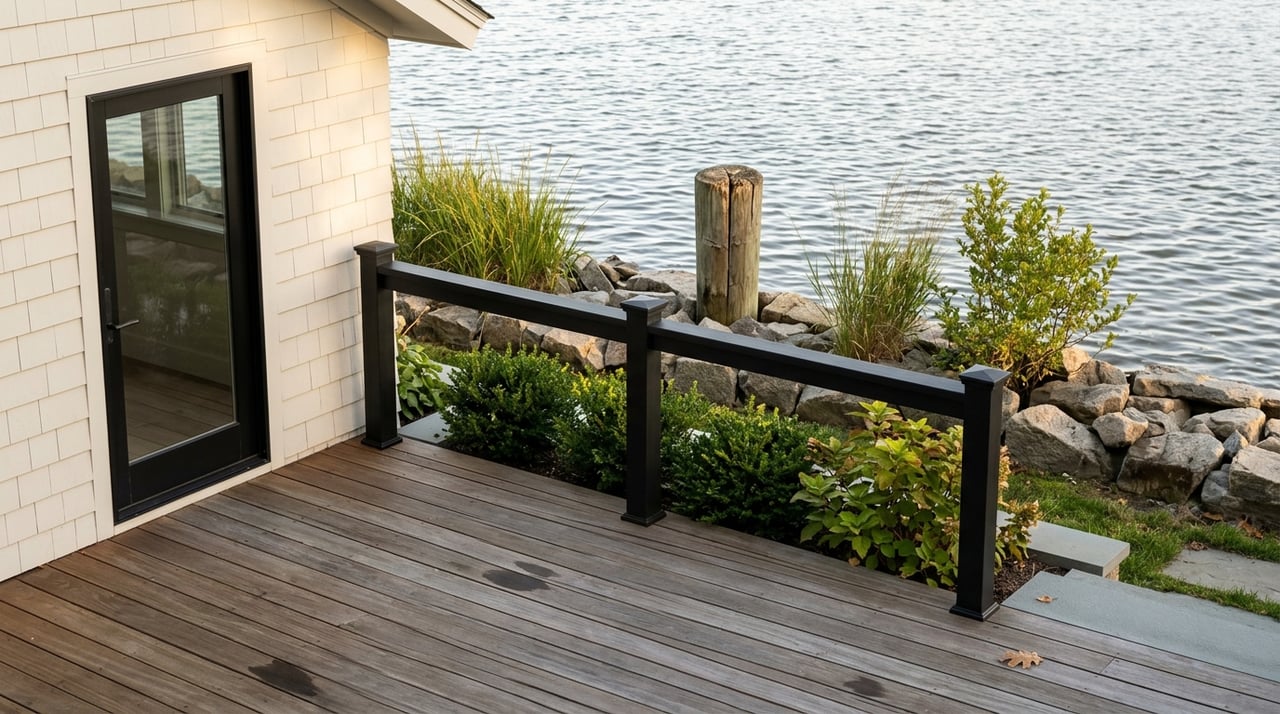
If you have ever imagined waking up to Hudson River light outside your window, Piermont probably already feels like a fit. The village offers a rare mix of water views, walkable streets, outdoor access, and historic homes, but buying here takes more than falling in love with the scenery. If you are considering a river-view home in Piermont, this guide will help you understand what makes the area special, what questions to ask, and what to review before you make an offer. Let’s dive in.
Why river-view buyers look at Piermont
Piermont sits on the west bank of the Hudson River, about 20 miles north of New York City and just south of the Tappan Zee Bridge. The village is known for its long public pier, access to Tallman Mountain State Park, the Piermont Marsh, and the Sparkill Creek corridor.
For many buyers, that means your lifestyle can extend well beyond the house itself. You may be drawn to the chance to walk near the water, kayak or canoe nearby, and enjoy a village setting where dining and recreation are close to the shoreline.
Piermont also stands out for its older housing stock. You will find homes with historic character, including sandstone colonials and other period styles, which can add charm and personality but often come with more condition and maintenance questions than newer homes.
Why the view needs context
In Piermont, the same waterfront setting that creates the view also creates real planning considerations. The village’s zoning findings note that Piermont fronts on the Hudson River, that the river is tidal, and that flooding can reach parts of the village even at current sea levels.
That does not mean every river-view property carries the same level of risk. It does mean you should look at elevation, drainage, flood mapping, and site conditions before you focus only on finishes, layout, or outdoor space.
A beautiful view can absolutely be worth pursuing. You just want to pair that excitement with solid due diligence so you understand the property as fully as possible.
Flood zones matter in Piermont
Piermont’s flood damage prevention rules apply to all special flood hazard areas in the village. The local code references FEMA Flood Insurance Rate Map panels used for village administration, and the Building Inspector serves as the local floodplain administrator.
If a property is in a special flood hazard area, construction or other development may require a floodplain development permit. In coastal high-hazard zones, local rules also limit where new construction can be placed and do not allow fill to be used for structural support.
For you as a buyer, the key takeaway is simple. Before you get deep into plans for renovations or exterior changes, confirm the parcel’s flood status and whether local permits or extra review may apply.
Waterfront rules can affect future plans
One of the biggest mistakes buyers make with river-view property is assuming the purchase is only about the existing house. In Piermont, future plans for docks, shoreline work, drainage changes, grading, or waterfront structures may trigger additional local review.
Piermont has a Local Waterfront Revitalization Program approved by New York State, and village agencies review certain coastal-area actions for consistency with that program. In the WF-1 waterfront district, one-family detached dwellings and wharves or docks are permitted by right, while boathouses and similar recreational facilities require a special permit.
The code also states that boat moorings are allowed only for the property owner’s use and not for rent or commercial use. Depending on the site and proposal, the village may also require screening, access roads, or buffer areas.
Piermont’s land-use rules treat watercourses, wetlands, and steep slopes as environmentally sensitive features. The code says the entire Village of Piermont has been declared a critical environmental area, and it allows review of things like natural buffers and stabilization or restoration of existing bulkheads or seawalls.
That is important if you are thinking long term. A home that feels perfect today may still need careful review tomorrow if you want to change the site or improve shoreline protections.
Waterfront ownership includes upkeep
Owning near the river can be rewarding, but it is not passive. Piermont’s waterfront law requires waterfront properties to be kept clean and in good repair.
The law also says owners must maintain vegetation and erosion protection structures to help prevent soil erosion and sedimentation. If you are comparing a river-view home with an inland property, this is one of the practical differences to keep in mind when you think about long-term maintenance.
Flood insurance is a separate conversation
A lot of buyers are surprised to learn that standard homeowners and tenants policies do not cover flood damage. According to the New York Department of Financial Services, flood coverage is generally purchased separately through the National Flood Insurance Program.
That same state guidance says homeowners can buy up to $250,000 for the dwelling and up to $100,000 for contents through NFIP, with limited coverage for basements, crawlspaces, and ground-level enclosures. FEMA also notes that NFIP policies usually have a 30-day waiting period unless coverage is required by a lender or tied to a flood-map change.
If the home is in a Special Flood Hazard Area, federally regulated or insured lenders generally require flood insurance. It is also worth remembering that flood risk can exist outside the mapped high-risk areas, so a property outside one of those zones is not automatically risk-free.
Budget beyond the seller’s current premium
When you are estimating ownership costs, do not assume the seller’s current flood premium will match yours. Consumer guidance cited in the research report notes that a new owner may pay the full risk-based cost under current FEMA standards.
That means your first-year insurance number could look different from what the seller has been paying. It is smart to get your own quote early, especially before you finalize your comfort level on monthly carrying costs.
Flood cleanup costs can also go beyond the insurance policy itself. FEMA says NFIP flood policies do not cover mold damage, which makes quick cleanup especially important if floodwater enters the home.
Permit costs should be part of planning
If you are considering future improvements in a flood-prone area, permit costs belong in your budget from the start. Piermont’s floodplain development permit carries a $375 application fee.
The applicant may also be responsible for additional review and inspection costs, with a deposit of up to $500. That may not be the largest line item in a renovation budget, but it is one more reminder that waterfront property often comes with extra layers of review and cost.
Smart questions to ask before you offer
The right questions can tell you a lot about whether a river-view home fits your comfort level and long-term plans. In Piermont, these are some of the most important ones to raise during due diligence.
Ask about flood zone status
Start by confirming the FEMA flood zone and whether the parcel is in the Special Flood Hazard Area. This gives you an early read on insurance needs, lender requirements, and possible permit issues.
Ask about prior water issues
Find out whether the property has ever flooded, had water intrusion, sewer backup, or mold. You should also ask whether repairs were documented and properly permitted.
Ask for elevation and approval records
If available, ask whether there is an elevation certificate. You should also ask whether additions, fill, retaining walls, docks, bulkheads, or shoreline repairs were approved under village or FEMA rules.
Ask about waterfront district rules
If the property is in Piermont’s waterfront district or coastal area, ask what rules apply to docks, boathouses, moorings, shoreline stabilization, buffers, and screening. This matters even if you do not plan changes right away.
Ask how the site handles water
Try to understand how the property drains during heavy rain and high tide. Ask whether there are sump pumps, backflow devices, or other flood-mitigation features already in place.
Ask for your own insurance quote
Before you get too far down the road, ask what the first-year flood insurance cost could look like for you as the new owner. This is one of the clearest ways to avoid budget surprises.
A practical Piermont due-diligence sequence
When you are buying a river-view home in Piermont, the order of your questions matters. A smart sequence can save time and help you make clearer decisions.
Here is a practical approach based on the local rules and guidance in the research report:
- Confirm the property’s flood zone.
- Verify whether local waterfront rules apply.
- Get a flood insurance quote for your ownership scenario.
- Review prior water issues, repairs, and mitigation features.
- Ask about future plans for docks, grading, shoreline work, or renovations.
This step-by-step process fits Bobbie Procida’s coaching-style approach well because it keeps emotions from getting ahead of facts. You can still move decisively, but with a clearer picture of both the opportunity and the responsibility.
What Piermont buyers should remember
A river-view home in Piermont can offer something special: Hudson River scenery, village scale, outdoor access, and architecture with real character. For the right buyer, that combination is hard to duplicate.
At the same time, the best purchases here usually happen when you look past the view alone. Flood status, insurance, waterfront rules, maintenance expectations, and future property plans all deserve close attention.
If you want steady guidance as you weigh charm, risk, and long-term value in Piermont, Bobbie Procida can help you move forward with a smart, informed strategy.
FAQs
What makes buying a river-view home in Piermont different from buying inland?
- River-view homes in Piermont can involve added review around flood zones, waterfront rules, insurance, drainage, and long-term exterior maintenance.
What flood insurance should buyers expect for a Piermont river-view home?
- Standard homeowners insurance does not cover flood damage, so buyers may need a separate flood policy, especially if the property is in a Special Flood Hazard Area.
What should buyers ask about past water problems in a Piermont home?
- Ask whether the home has ever had flooding, water intrusion, sewer backup, or mold, and whether any repairs were documented and permitted.
What local approvals can affect a Piermont waterfront property?
- Depending on the parcel and proposed work, local review may affect docks, boathouses, moorings, grading, shoreline stabilization, bulkhead work, and other site improvements.
What extra costs should buyers budget for with a Piermont river-view property?
- In addition to regular homeownership costs, buyers should budget for flood insurance, possible exterior and erosion-related upkeep, and permit fees if future improvements are planned.