Buying your first home in Closter can feel exciting right up until you look at the numbers. Between premium home prices, property taxes, and New Jersey’s contract process, it is easy to wonder where to start and how to avoid costly missteps. The good news is that a clear plan can make the path much more manageable. In this roadmap, you’ll learn what the Closter market looks like, how the New Jersey buying process works, and what first-time buyers should watch for before making a move. Let’s dive in.
Closter Market Basics
If you are shopping in Closter, you are entering a high-price market in Bergen County. Recent data points vary by source, but they all point to the same reality: this is a premium market where preparation matters. Zillow placed the average home value at $1,181,658 as of April 30, 2026, while Redfin reported a March 2026 median sale price of $1,049,500 and Realtor.com reported an April 2026 median sold price of $1,175,000.
Inventory also appears limited. Realtor.com reported 19 homes for sale in April 2026, and Redfin reported a median 127 days on market in March 2026. Some sources describe Closter as somewhat competitive, while others call it hot, so your best guide is current MLS data paired with a strong lender preapproval.
Why Budgeting Matters Early
In Closter, your monthly housing cost is not just about principal and interest. Property taxes are a major part of the equation, and the borough tax assessor notes that the local levy is driven by municipal, school, and county budget needs. The New Jersey Division of Taxation also explains that local property taxes are assessed annually by the local assessor.
That means you should build taxes into your budget from day one. If you focus only on the purchase price, you could end up targeting homes that feel affordable at first glance but stretch your monthly payment more than expected.
Homes You May Find in Closter
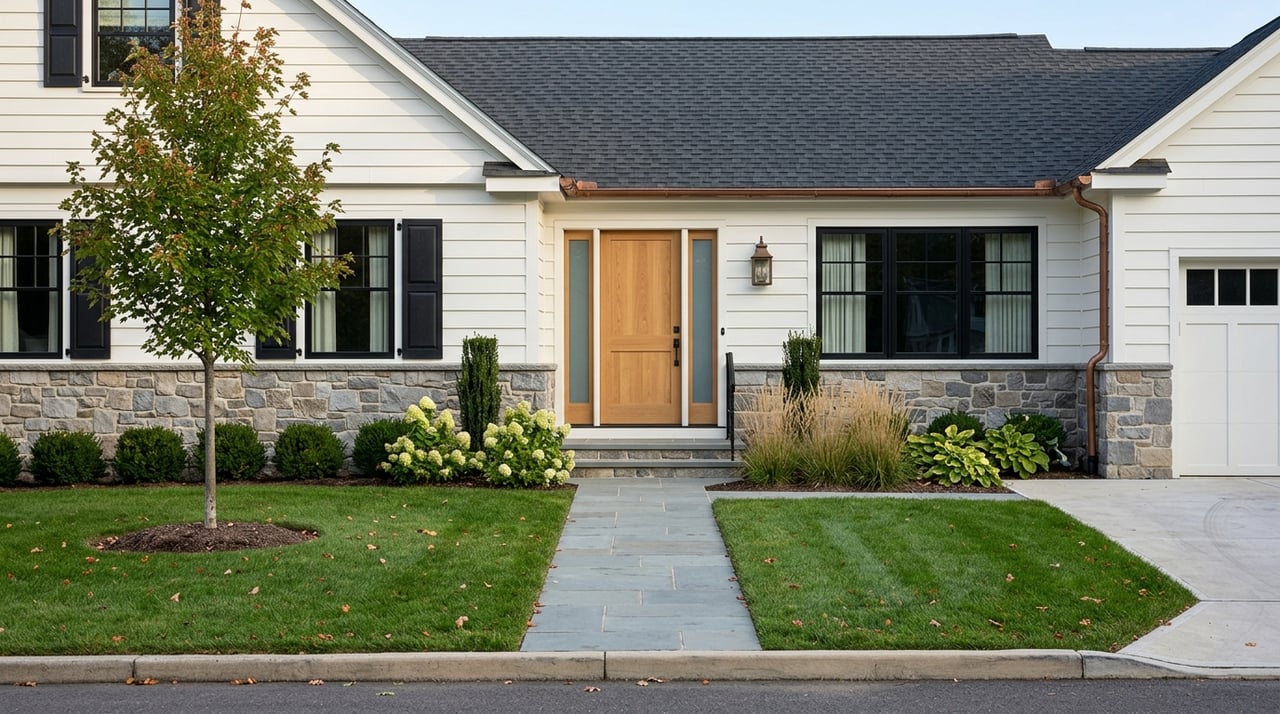
Closter offers a wider range of home styles than many buyers expect. Borough preservation materials note that Dutch Colonial Revival is especially common, and the town also includes Cape Cod, split-level, ranch, Queen Anne, Colonial Revival, Bungalow, and Foursquare homes.
For a first-time buyer, that variety creates real choices. You may be comparing an older home with charm and renovation potential, a mid-century home with a practical layout, or newer construction with a more turnkey feel.
A local Closter pricing guide offers broad reference points that can help frame expectations:
- Modest Colonial Revivals, Foursquares, and cottages may fall around $650,000 to $750,000
- Mid-century ranch and bi-level homes with single-car garages may fall around $900,000 to $1 million
- New construction can exceed $2 million
These are not fixed price bands, but they can help you decide which tradeoffs fit your goals best. If your priority is a lower entry point, you may be looking at an older home that needs updates. If your priority is newer finishes or fewer immediate projects, you may need to budget much higher.
Start With Preapproval
Before you tour seriously, get preapproved. This is one of the most important first steps for a Closter buyer because it helps you set a realistic range in a market where list prices and sold prices can move quickly.
The New Jersey Housing and Mortgage Finance Agency offers a First-Time Homebuyer Mortgage Program and a down payment assistance program that can provide eligible buyers up to $22,000 as a five-year forgivable loan. The New Jersey Department of Banking and Insurance also notes that many lenders require 5% to 20% down, depending on the loan type.
A preapproval does more than show a seller you are serious. It helps you protect your time, narrow your options, and understand your monthly payment before you fall in love with a home.
Know New Jersey Offer Basics
Once you find the right home, your offer needs to be clear and complete. According to the New Jersey Department of Banking and Insurance, an offer to purchase should spell out the price, down payment, closing date, possession date, included items, and terms for financing and inspections.
Earnest money is usually held in escrow, and counteroffers should be put in writing within 24 hours. This is part of why first-time buyers benefit from a calm, organized approach. In a competitive market, details matter just as much as price.
If a real estate licensee prepares the contract, the standard New Jersey form includes an attorney review clause. This gives both parties three business days after the fully signed contract is delivered to consult an attorney, suggest changes, or cancel the agreement. Many buyers choose attorney representation even though it is not required.
Use the Inspection Period Wisely
The inspection period is your chance to learn what you are really buying. It is not just a box to check off before closing. It is a negotiation window that can shape your costs, timing, and comfort level.
The New Jersey Department of Banking and Insurance recommends hiring a qualified independent home inspector soon after the contract becomes binding. It also notes that the contract should address title searches plus insect, structural, and other inspections.
This matters even more in Closter because many homes are older. For homes built before 1978, buyers should pay attention to lead-based paint disclosure requirements. The same New Jersey guidance also recommends awareness of mold, radon, and asbestos risks where appropriate.
It is also important to remember that a home inspection is different from an appraisal. An appraisal supports the lender’s valuation, while an inspection focuses on the property’s condition. You want both pieces of information, but they serve different purposes.
Plan for Historic Property Rules
If you are drawn to an older Closter home, make sure you understand the local preservation rules before planning major exterior changes. Closter’s preservation ordinance states that a certificate of appropriateness is required before work begins on landmarks or properties in landmark districts.
Interior changes and ordinary maintenance or repair are generally exempt. Still, if you are thinking about additions, exterior renovations, or demolition, extra review may be required. For a first-time buyer, that makes due diligence especially important before you count on a fast post-closing renovation.
Finish Strong Through Underwriting and Closing
After inspections and attorney review, your focus shifts to your loan, final documents, and closing preparation. Review your Closing Disclosure and related paperwork ahead of time so you have time to ask questions and confirm the final numbers.
The New Jersey Department of Banking and Insurance says most New Jersey closings are face-to-face meetings involving the buyer, seller, agents, lawyers, a title clerk, and a lender representative. Buyers should also confirm acceptable payment methods in advance, since certified or cashier’s checks are commonly required.
This is the stage where organization really pays off. Keep your lender documents moving, avoid major financial changes, and confirm each deadline so closing day feels smooth instead of stressful.
Don’t Overlook Commute and Carrying Costs
Closter has long functioned as a commuter community, and that still shapes the buying decision today. NJ Transit currently shows routes 167 and 177 in Closter-area service alerts, and it warns that service into and out of the George Washington Bridge can be delayed by heavy traffic.
That is why it helps to test your commute before committing to a home. If possible, check drive times and bus timing during rush hour, not just midday. A house can look perfect on paper but feel very different once your daily routine begins.
You should also view transportation and taxes as part of one monthly budget conversation. In Closter, carrying cost is often shaped by more than the mortgage alone.
A Simple First-Time Buyer Roadmap
If you want a practical way to move forward, use this checklist:
- Get preapproved and understand your full monthly payment range
- Research taxes early, not after you find a home
- Compare home styles based on condition, layout, and project tolerance
- Make a complete offer with New Jersey terms clearly defined
- Use attorney review and inspections to protect yourself
- Review renovation rules if the property has historic status or character features
- Test commute times and transportation options before final commitment
- Review closing documents early and confirm funds needed for closing day
Each step helps reduce surprises. For a first-time buyer in Closter, that kind of structure can make a big difference.
Final Thoughts
Buying your first home in Closter is a major milestone, and it pays to approach it with a steady plan. This market can reward buyers who prepare early, budget carefully, and understand how New Jersey’s process works before they jump in.
If you want guidance that is clear, responsive, and tailored to your goals, Bobbie Procida can help you move through the process with confidence.
FAQs
What is the typical home price range for first-time buyers in Closter, NJ?
- Broad local guideposts suggest modest Colonial Revivals, Foursquares, and cottages may fall around $650,000 to $750,000, while mid-century ranch and bi-level homes may fall around $900,000 to $1 million. Market conditions can change, so live MLS data matters.
How important are property taxes for Closter, NJ homebuyers?
- Property taxes are a major part of monthly carrying cost in Closter. The borough says the local levy reflects municipal, school, and county budget needs, so taxes should be built into your budget early.
What should first-time buyers know about the New Jersey attorney review period?
- In a standard New Jersey contract prepared by a real estate licensee, both parties usually have three business days after the fully signed contract is delivered to consult an attorney, suggest changes, or cancel the agreement.
What inspections matter when buying an older home in Closter, NJ?
- A buyer should typically consider general home inspection needs plus title, insect, and structural issues addressed in the contract. For older homes, New Jersey guidance also flags lead-based paint disclosure for homes built before 1978 and recommends attention to mold, radon, and asbestos where appropriate.
What should buyers know about renovating historic homes in Closter, NJ?
- Closter’s preservation ordinance says a certificate of appropriateness is required before work begins on landmarks or properties in landmark districts, while interior changes and ordinary maintenance or repair are generally exempt.
What commute factors should buyers consider in Closter, NJ?
- Buyers should test rush-hour drive and bus times before buying. NJ Transit shows routes 167 and 177 in Closter-area service alerts and warns that George Washington Bridge traffic can affect service reliability.