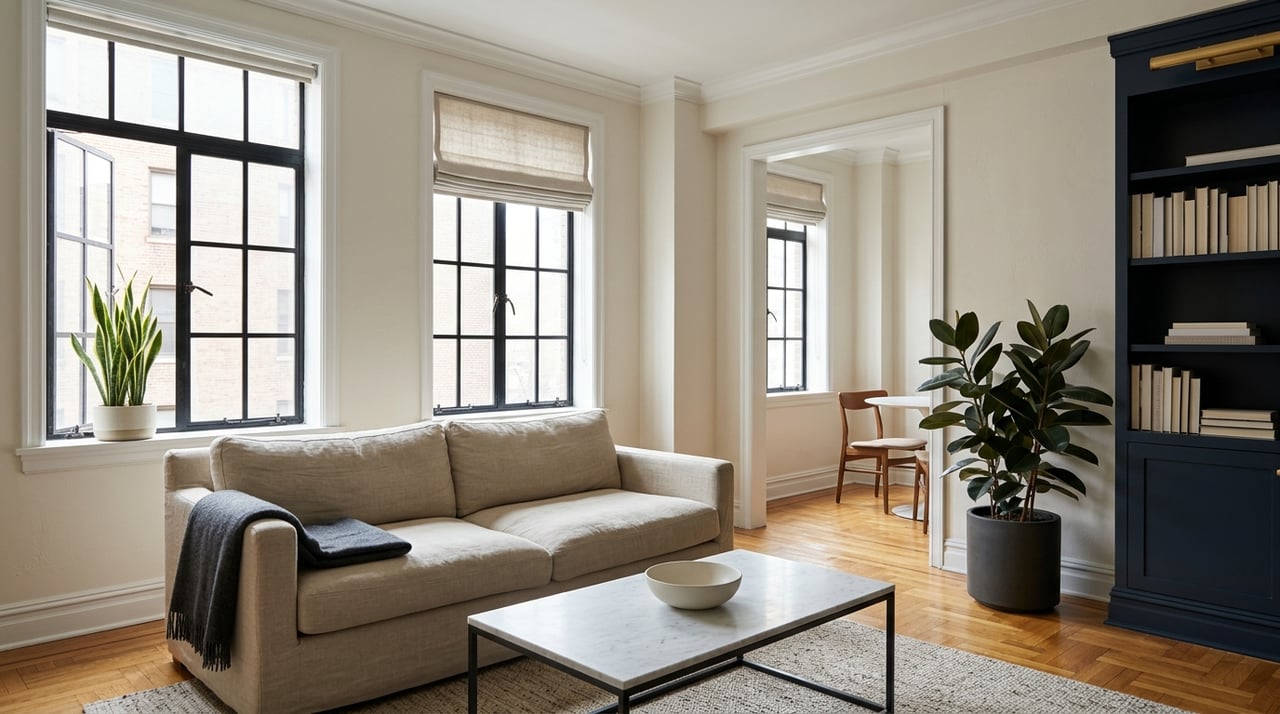
If you are trying to decide whether to keep renting or make a move into homeownership in Norwood, you are not alone. It is a big decision, especially in a Bronx neighborhood where transit access, building type, monthly costs, and timing can all pull you in different directions. The good news is that you do not need to guess. With the right framework, you can weigh your options clearly and choose the path that fits your budget, timeline, and goals. Let’s dive in.
Why this decision feels different in Norwood
Norwood has a housing mix that can make the rent-versus-buy question feel less straightforward than it does in some other areas. The neighborhood includes apartments, co-ops, and condos, which gives you more than one path to consider if you want to stay local.
It is also a transit-friendly area. Norwood is served by the Norwood-205 St station on the D line and bus routes including the Bx10, Bx16, and Bx38, so commute convenience often plays a real role in how people compare renting with buying.
That matters because your decision is not only about the monthly payment. In a neighborhood where walkability, transit access, and building type shape daily life, the right answer depends on how you want to live as much as what you want to spend.
Norwood rent vs buy at a glance
A quick snapshot helps frame the conversation. As of May 2026, average Norwood rents were about $1,331 for studios and one-bedrooms, $1,730 for two-bedrooms, and $2,406 for three-bedrooms.
On the ownership side, Zillow’s typical Norwood home value was $427,930 as of April 30, 2026. With a 30-year fixed mortgage rate of 6.47% as of June 18, 2026, a buyer putting 20% down would borrow about $342,344 and pay roughly $2,157 per month in principal and interest alone.
With 10% down, that principal-and-interest payment rises to about $2,427. That is important because the mortgage payment by itself is already above Norwood’s average two-bedroom rent, before you add other ownership costs.
The monthly cost comparison is only the start
One of the biggest mistakes buyers make is comparing rent to mortgage principal and interest only. In Norwood, that can understate the true cost of ownership, especially if you are considering a co-op or condo.
If you buy, your monthly housing cost may also include property taxes, insurance, water, utilities, co-op maintenance, or condo common charges. In New York City, property owners receive property tax bills, and condo materials commonly refer to common charges and projected real estate taxes.
So if you are looking at a payment estimate and thinking, “That seems close enough to my rent,” pause there. You need to compare your full carrying cost to your rent, not just the mortgage piece.
Upfront cash matters more than many buyers expect
The monthly payment gets most of the attention, but the upfront cash requirement can be the deciding factor. On a typical Norwood home value of $427,930, a 20% down payment comes to $85,586.
Closing costs typically run about 2% to 5% of the purchase price. On that same purchase, that works out to about $8,559 to $21,397, not including the down payment.
That means a buyer putting 20% down may need roughly $94,145 to $106,983 in total cash at closing. If pulling that together would leave you stretched, renting may be the stronger choice for now.
When renting may make more sense in Norwood
Renting is not a fallback option. In many cases, it is the smarter move.
If you expect to stay only a couple of years, renting is often cleaner financially. Buying and selling both come with fees and transaction costs, so you usually need enough time in the home for those costs to make sense.
Renting can also help you protect your cash reserves. If you want to keep money available for moving expenses, furnishings, future plans, or an emergency cushion, renting may give you more flexibility.
This can be especially useful if your job, household size, or location needs may change soon. Flexibility has real value, and in a transit-friendly neighborhood like Norwood, that flexibility can still come with convenience.
When buying may make more sense in Norwood
Buying can be a strong fit if you want stability, plan to stay longer, and can comfortably handle the full monthly carrying cost. Homeownership is a long-term commitment, and equity can build over time if you stay put long enough.
This may appeal to you if you are tired of moving, want more control over your housing, or are ready to commit to a specific area. In that case, buying may be less about beating rent in month one and more about creating a stable long-term plan.
The key word is comfortably. If ownership would leave you cash-poor or anxious every month, it may not be the right move yet, even if you like the idea of buying.
Co-ops and condos need extra review
In Norwood, your buying decision may involve more than choosing a price point. Because the neighborhood includes co-ops and condos, building-level due diligence is a big part of the process.
For a co-op, you are buying shares in a corporation that are allocated to a specific apartment, and you pay maintenance charges based on your share allocation. The New York Attorney General recommends reviewing the offering plan and recent board minutes because existing buildings may have visible or disclosed issues involving the facade, roof, elevator, plumbing, boiler, or electrical systems.
That review matters because your monthly cost and future risk can be shaped by the condition and finances of the building, not just the apartment itself. If you are considering a co-op, you should be ready for a more document-heavy process.
A simple framework to decide confidently
If you feel stuck, use these five questions to narrow your answer.
How long do you realistically expect to stay?
This is one of the most important questions. If your timeline is short, the upfront costs of buying can be hard to recover.
If you expect to stay longer and want stability, buying may become more attractive. The longer your time horizon, the more likely ownership costs may make sense.
Can you handle the full cash requirement?
Look beyond the down payment. Ask whether you can afford closing costs and still keep healthy reserves.
A strong plan usually includes room for moving costs, furnishings, and an emergency cushion of about three to six months of expenses. If buying would drain your savings, it may be worth waiting.
Are you comparing full monthly costs?
Do not compare your rent to mortgage principal and interest only. Add in taxes, insurance, utilities, maintenance, or common charges so you can see the real monthly picture.
That fuller comparison often changes the answer. In Norwood, it can be the difference between a payment that looks manageable on paper and one that feels too heavy in practice.
Do you want flexibility or stability?
Neither answer is wrong. Renting tends to support flexibility, while buying tends to support stability.
If your work, household needs, or plans may shift soon, flexibility may be worth more than equity right now. If you are ready to settle into a longer-term plan, buying may better support that goal.
Does the building process fit your timeline?
If you are looking at a co-op, think about whether the review process fits your schedule and comfort level. Co-op purchases often require careful review of building documents and board materials.
If you need to move quickly or want a simpler process, renting may feel easier in the near term. If you are prepared for that extra diligence, buying may still be the better long-term fit.
A practical Norwood decision checklist
If you want a quick way to pressure-test your choice, start here:
- Rent if: you may move within a few years, want to keep more cash on hand, or need maximum flexibility.
- Rent if: the full monthly ownership cost would stretch your budget.
- Buy if: you expect to stay longer, want stability, and can comfortably cover upfront and ongoing costs.
- Buy if: you are prepared to review co-op or condo building details carefully.
- Either option can work if: the choice matches your timeline, cash reserves, and comfort level.
The best choice is the one that fits your life
In Norwood, renting can be a smart financial and lifestyle choice, especially when average two-bedroom rents are still below the mortgage principal-and-interest payment on a typical home purchase. At the same time, buying can make sense if you are planning for the long term and are financially ready for the full cost of ownership.
This is why the best decision usually is not about what sounds better in theory. It is about what works for your timeline, your cash position, your housing priorities, and your tolerance for responsibility and risk.
If you want help thinking through your next move with a calm, practical strategy, Bobbie Procida can help you weigh your options and decide with confidence.
FAQs
What is the average rent in Norwood, Bronx right now?
- As of May 2026, average Norwood rents were about $1,331 for studios and one-bedrooms, $1,730 for two-bedrooms, and $2,406 for three-bedrooms.
What is the typical home value in Norwood right now?
- Zillow’s typical home value for Norwood was $427,930 as of April 30, 2026.
Is buying in Norwood cheaper than renting each month?
- Not necessarily. With a 20% down payment at a 6.47% 30-year fixed rate, principal and interest alone is about $2,157 per month on a typical Norwood home value, before taxes, insurance, maintenance, or common charges.
What upfront cash do you need to buy in Norwood?
- On a typical $427,930 purchase, a 20% down payment is $85,586, and estimated closing costs of 2% to 5% add about $8,559 to $21,397.
Why do co-ops matter in a Norwood rent versus buy decision?
- Norwood includes co-ops as part of its housing stock, and co-op buyers should review offering plans and recent board minutes because building condition, maintenance charges, and repair needs can affect the true cost of ownership.
When does renting make more sense in Norwood?
- Renting may be the better fit if you expect to stay only a few years, want to preserve cash reserves, or need flexibility because your job, household, or plans may change.
When does buying make more sense in Norwood?
- Buying may be the better fit if you want stability, expect to stay longer, and can comfortably afford the down payment, closing costs, and full monthly carrying costs.