Looking for a river village that slows your pace the moment you arrive? In Piermont, you can step out to a mile-long pier, linger by artist-run galleries, and be on a wooded trail within minutes. If you want small-scale charm with weekend energy and practical access to the city, this is a great place to explore. Below, you’ll get a feel for the vibe, what daily life looks like, outdoor options, home styles, and commuting basics. Let’s dive in.
Piermont’s Hudson River vibe
Start at the water. The signature image of Piermont is its mile-long pier that reaches into the Hudson. The Piermont Pier promenade draws walkers, anglers, dogs, and photographers for sunrise and sunset views. Its story runs deep, from 19th-century rail and boat connections to World War II troop embarkations, which you can learn more about at the Piermont Train Station Museum.
A short walk from the pier brings you to Flywheel Park and the village core. This small green anchors community life with a farmers market and seasonal events. The surrounding Piermont Avenue and Ash Street corridor mixes coffee, galleries, and restaurants, giving weekends a lively, walkable feel. The Piermont Chamber of Commerce notes that visitor traffic peaks on weekends, while weekdays read quieter and more residential.
Arts and dining, up close
Piermont’s arts scene is intimate, not flashy, and that is part of its charm. The artist-run Piermont Flywheel Gallery hosts rotating shows and receptions, which are easy ways to meet makers and neighbors. Around the corner, small restaurants and cafes add an evening buzz without late-night noise. It feels curated and personal, with plenty of reasons to stroll after dinner.
Homes and streetscape
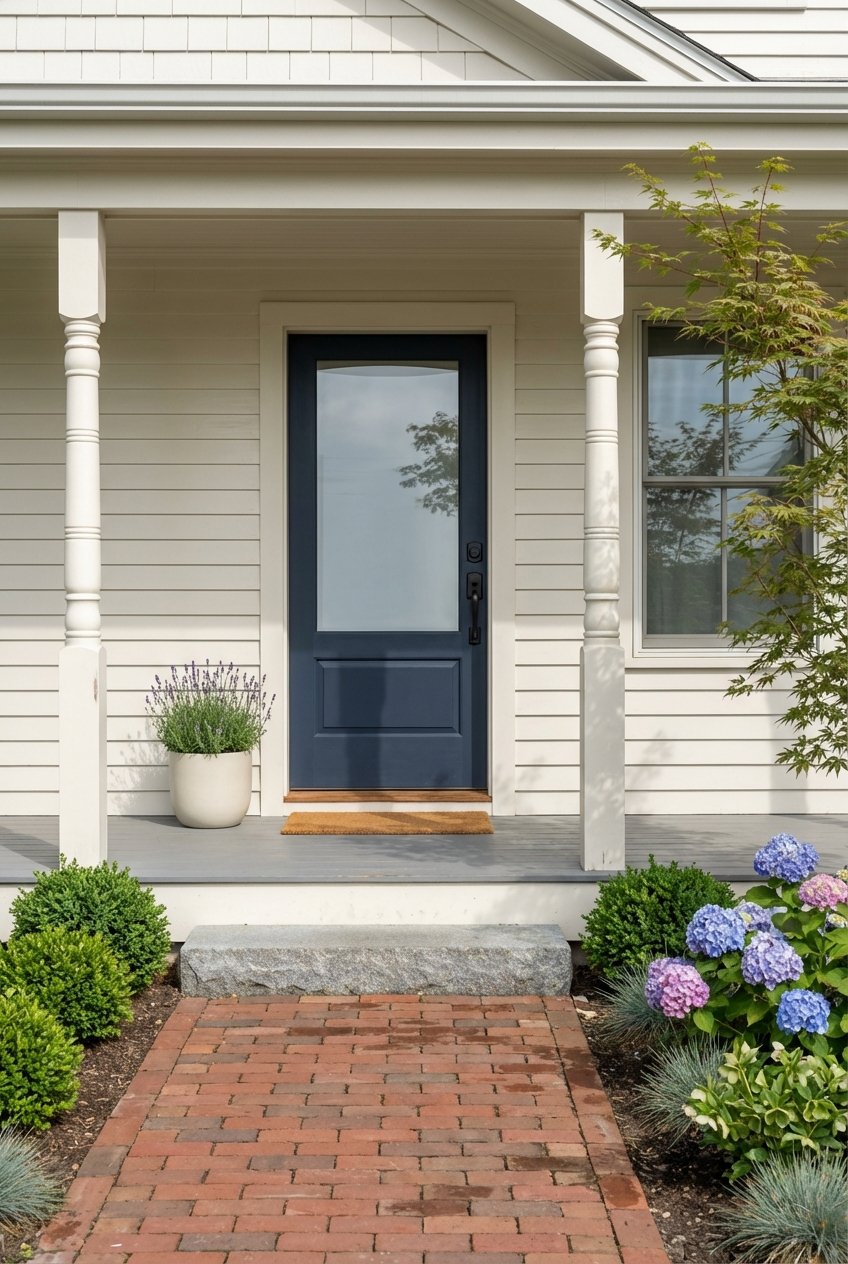
Piermont looks and lives like a historic river village. Many streets near the waterfront feature painted Victorian cottages and clapboard homes with porches and river-facing decks. Up the hill toward the Palisades, you’ll see larger Greek Revival and Italianate styles, reflecting the village’s long architectural timeline.
Parts of the village are listed on the National Register, including the Rockland Road Bridge Historic District. Period details remain a point of pride, supported by an active historical society and the restored depot museum. You will also find a few renovated riverfront buildings and modern or converted spaces near the pier, adding variety to the housing mix.
Outdoors, trails, and the marsh
If you love nature, you have options within minutes. The protected Piermont Marsh is part of the Hudson River National Estuarine Research Reserve and stretches along more than two miles of shoreline. It’s a favorite for birding during spring and fall migrations and for low-impact paddling on Sparkill Creek.
Immediately south, Tallman Mountain State Park offers wooded trails, picnic spots, and seasonal amenities. From the upland paths, you can look out across the marsh toward the river and pier. Check the Tallman Mountain State Park page for facilities and current updates.
For a different perspective, walk or bike the Old Erie Path, a compact rail-trail that links Piermont with nearby segments and delivers classic Hudson views. You can preview route details on TrailLink’s Old Erie Path overview. On the water, anglers cast from the pier for seasonal species, and paddlers hug the marsh edge on calm days.
Getting to Manhattan
Commuting from Piermont is reasonable for many hybrid workers and NYC-bound pros, but it is not a one-train hop. Typical door-to-desk driving times to Midtown can range from about 45 to 90 minutes depending on destination and time of day. Many residents use nearby park-and-ride lots in towns like Sparkill or Nyack to board express buses to Port Authority.
There is no direct commuter rail station in Piermont. If you prefer trains, you’ll usually combine a short drive with a Metro-North stop across the river. Schedules and traffic patterns change, so you’ll want to check current options before you set a routine.
Daily living and community anchors
For a small village, Piermont packs in essentials. The Village of Piermont manages local services and publishes community updates and event information on its official site. You’ll also find the Dennis P. McHugh Piermont Public Library, village parks like Flywheel, Parelli, and Kane, and the Piermont Historical Society’s museum programming.
Waterfront resilience planning is an ongoing effort that reflects life on the river. Village materials outline initiatives that balance access, conservation, and preparedness. If you are moving from a city apartment to a river town, that proactive stance helps you understand what living by tidal water means in practical terms.
When to visit and how it feels
Weekends show Piermont at its busiest, with day-trippers filling the promenade and cafes. Gallery openings and seasonal markets add to the village energy. Weekdays shift to a quieter pace, which many residents appreciate for daily errands and peaceful walks. If you are deciding whether the rhythm fits you, try both.
Quick checklist: Is Piermont a fit for you?
- You want a compact, walkable village with river views.
- You value small galleries and a curated dining scene over big nightlife.
- You plan to use parks, trails, and the pier for regular outdoor time.
- You like historic homes and a streetscape with character.
- You are comfortable with a variable commute that may mix driving and transit.
- You prefer weekend vibrancy and calmer weekdays.
Piermont delivers a rare mix: a true riverfront promenade, an arts-and-cafe core, and protected marshland and trails all within a short walk. If you are weighing Piermont against nearby river towns or Bergen County options, let’s map the tradeoffs together and tour places that fit your wish list. To start a focused plan for buying, selling, or renting, connect with Bobbie Procida.
FAQs
Is Piermont walkable for daily errands and dining?
- Yes. The village center is compact, and the pier, Flywheel Park, shops, and many restaurants sit within a short walk. Weekdays are quieter and weekends see more visitors, as noted by the Piermont Chamber of Commerce.
Where can you access the Hudson River in Piermont?
- The mile-long Piermont Pier promenade offers walking, fishing, and views. Nature lovers explore the Piermont Marsh and trails in Tallman Mountain State Park.
What housing styles are common in Piermont?
- You’ll see 19th- and early-20th-century architecture, including Victorian, Greek Revival, and Italianate. Parts of the village are on the National Register, such as the Rockland Road Bridge Historic District.
How do most residents commute to Manhattan from Piermont?
- Options include driving, using nearby park-and-ride lots for express buses, or driving to a Metro-North station across the river. There is no direct rail in Piermont, and door-to-desk times vary widely by time of day and destination.
Are there local arts and community events?
- Yes. The Piermont Flywheel Gallery runs rotating exhibits and receptions, and village parks host seasonal events. Check the Village of Piermont’s official site for current calendars.