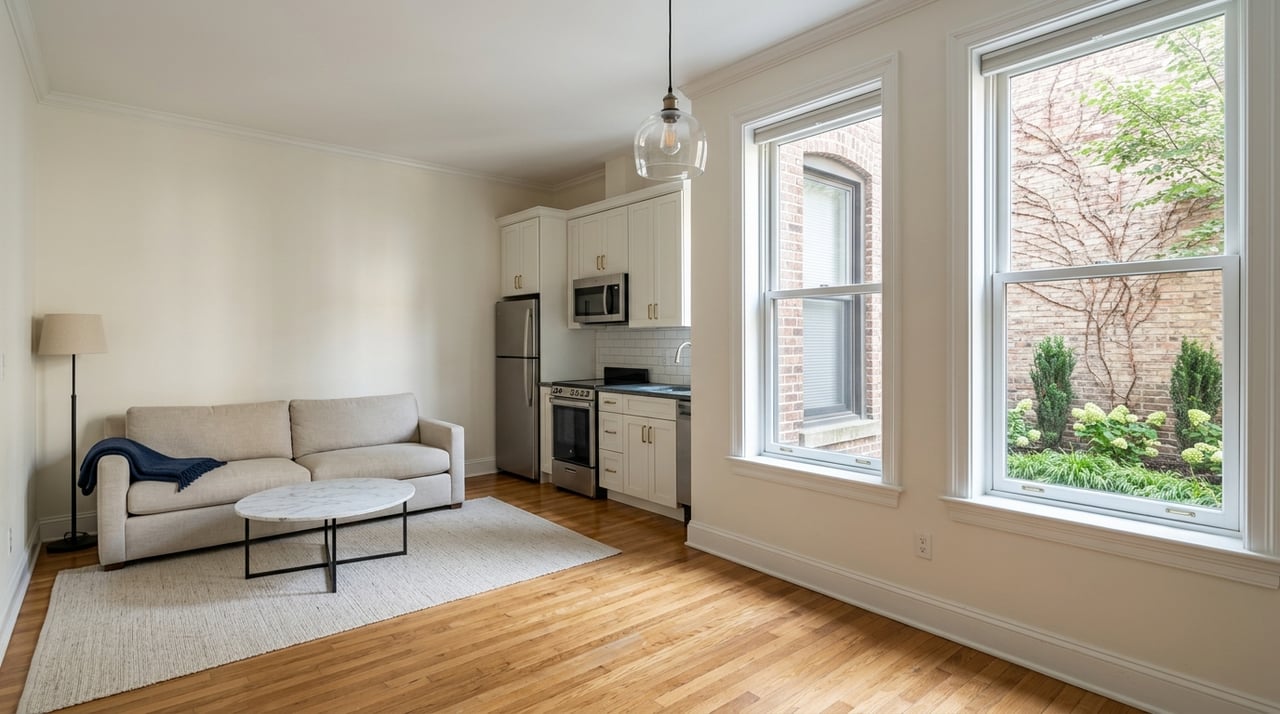
Finding a rental in Norwood can feel simple at first, until the fees, lease terms, and listing details start to blur together. If you are trying to move quickly, stay within budget, and avoid surprises, it helps to know how New York City’s rental rules shape the process here. This guide walks you through each step so you can search smarter, ask better questions, and sign with more confidence. Let’s dive in.
Understand Norwood’s rental rules
Norwood is part of Bronx Community Board 7, which means you are renting within New York City’s system, not a suburban market. That matters because NYC has specific rules around application fees, screening, broker fees, lease disclosures, and rent-stabilization rights.
Before you apply anywhere, it helps to know that the same apartment search can look very different depending on the listing type. A direct landlord listing, a brokered apartment, a rent-stabilized lease, and a sublet can all come with different rules and expectations.
Step 1: Identify the listing type
Your first job is to understand what kind of apartment you are looking at. That one detail can affect what you pay upfront, what protections you may have, and what happens when the lease ends.
Brokered vs. direct listings
Some Norwood apartments are marketed by landlords or property managers, while others are listed through brokers. Since June 11, 2025, the FARE Act prohibits brokers who represent landlords from charging broker fees to tenants. Landlords or their agents must also disclose other tenant-paid fees in listings and rental agreements.
You can still choose to hire your own broker if you want help with the search. If you do, that is different from a landlord’s broker trying to pass their fee on to you.
Rent-stabilized vs. market-rate apartments
This is one of the most important distinctions in NYC renting. Rent-stabilized apartments are often found in buildings with six or more units built before 1974, and about half of NYC rental apartments are rent stabilized.
If an apartment is rent stabilized, renewal rights and rent increases are handled differently than in a market-rate unit. You can often confirm stabilization by checking the lease or requesting rent history from the state housing agency.
Sublets and assignments
Some rentals in Norwood may be sublets rather than standard leases. In buildings with four or more apartments, tenants generally have the right to sublet with landlord consent, but they must make a formal written request.
If you are considering a sublet, make sure the paperwork is in order before you commit. A casual agreement is not enough.
Step 2: Get your application package ready
Once you know what kind of listing you are pursuing, the next step is preparation. In NYC, screening can be detailed, so having your documents ready can save time and reduce stress.
Expect standard screening
Housing providers may set financial and credit qualifications. Screening may include credit checks, work and landlord references, personal references, questions about how many people will live in the unit, criminal background checks, home visits, and interviews.
The key is that those criteria must be applied equally to all applicants. Consistency matters.
Know what landlords can ask about income
It is normal for landlords to ask about income and source of income to evaluate ability to pay or determine program eligibility. What they cannot do is discriminate based on lawful source of income, including Section 8, SSI, or other housing assistance.
If you use a voucher or another form of housing support, you still have protections under NYC and New York State rules. You should not be refused, offered worse terms, or treated differently because of lawful source of income.
Watch the fee caps
NYC limits many of the upfront costs renters worry about most. Landlords may not charge more than $20 for an apartment application, and security deposits are capped at one month’s rent.
Before signing a lease, a landlord may charge up to $20 for a credit or background check and must give you a copy. You may also provide your own report if it was completed within the previous 30 days.
Know what is not allowed
Key money is illegal in New York. That means a landlord cannot charge extra money above the lawful rent and security deposit just to give you the apartment.
You should also review the application packet carefully. NYC fair housing guidance says landlords should not require documents that reveal protected information, such as a passport, birth certificate, or a photo with the application. If a government-issued ID is requested, it must be requested consistently from all applicants.
Step 3: Tour with a checklist
A quick showing can tell you whether a layout works, but it should also help you judge the apartment’s condition. This step matters because the lease will not fix problems you failed to notice.
Look beyond finishes
During the tour, check for leaks, mold, pests, garbage issues, and signs of poor upkeep. NYC guidance says tenants have a right to a clean, well-maintained home with reliable essential services, smoke and carbon-monoxide detectors, adequate lighting in common areas, and working locks.
A freshly painted wall can look great while hiding bigger issues. Slow down and pay attention to the basics.
Ask whether the unit is rent stabilized
Do not assume the listing will make this obvious. A lease may say the apartment is rent stabilized, and the rent amount or rent history may offer clues as well.
If the lease language is unclear, you can request rent history through the state housing agency. That extra step can give you a better sense of your rights before you sign.
Step 4: Read the lease like a rights document
A lease is more than a payment agreement. It is the document that sets the terms of your tenancy, so this is the time to slow down and make sure the details match what you were told.
Check the basics first
At a minimum, the lease should clearly identify:
- The apartment
- The parties involved
- The rent amount
- The due dates
- The lease term
- Occupancy conditions
- The rights and obligations of both sides
If anything feels vague, ask for clarification before signing. Clear paperwork now can prevent confusion later.
Review late-fee language
Lease fine print matters. In New York, the maximum late fee is $50 or 5% of the monthly rent, whichever is less.
That is a simple clause, but it is worth checking. Small details can add up over the course of a lease.
Understand renewal rules
If the apartment is rent stabilized, you generally have the right to a one- or two-year renewal lease. The landlord must provide written renewal notice by mail or personal delivery not less than 90 days and not more than 150 days before the lease expires.
For leases starting between October 1, 2025 and September 30, 2026, the current Rent Guidelines Board order allows up to 3% on a one-year renewal and 4.5% on a two-year renewal.
If the apartment is not rent regulated, the landlord does not have to renew the lease. If a landlord plans to raise the rent by more than 5% or not renew, the amount of advance notice depends on how long you have lived there.
Note added protections
NYC notes that some tenants may also be covered by Good Cause Eviction protections. That can affect disputes over nonrenewal or rent increases in some cases.
If you are unsure how a rule applies to a specific apartment, it is worth pausing before you commit. A little clarity upfront can make a big difference.
Step 5: Plan for approval and move-in
Once you are approved, the process usually moves fast. Having a clear sequence in mind can help you stay organized.
Typical rental sequence in Norwood
In most cases, the process looks like this:
- Shortlist apartments
- Tour the unit
- Submit the application and screening materials
- Review fee disclosures and lease terms
- Pay the allowed upfront costs
- Schedule move-in
If it is a sublet, make sure the written notice and landlord consent are complete before taking possession. That step is too important to leave informal.
Keep records from day one
Save the listing, fee disclosures, signed lease, screening receipts, and move-in condition photos. Good records can help if there is ever a dispute about fees, apartment condition, or deposit return.
For non-regulated units, landlords must return the security deposit within 14 days after move-out and provide an itemized statement for any deductions. That is another reason your move-in documentation matters.
Common mistakes to avoid
Even experienced renters can miss key details in NYC’s fast-moving market. A few simple habits can help you avoid unnecessary stress.
Mistakes that can cost you time or money
- Assuming every broker fee is legal
- Skipping questions about rent stabilization
- Paying more than the allowed application-related fees
- Overlooking lease clauses on late fees and renewal terms
- Failing to document apartment condition at move-in
- Treating a sublet like an informal side deal
When in doubt, slow the process down enough to verify the facts. A strong rental decision usually comes from asking one or two more questions than everyone else.
A smarter way to rent in Norwood
Renting in Norwood is not just about finding an apartment you like. It is about understanding how NYC rules shape fees, screening, disclosures, lease rights, and renewal terms.
If you take the process step by step, you can protect your budget, avoid common mistakes, and move forward with more confidence. That is especially important in a market where details matter and timelines can move quickly.
If you want calm, hands-on guidance as you search for a rental in New York or New Jersey, connect with Bobbie Procida for a thoughtful, step-by-step approach.
FAQs
What fees can renters legally pay for a Norwood apartment?
- In NYC, apartment application fees are capped at $20, credit or background check fees are capped at $20, and security deposits are capped at one month’s rent.
What should renters ask about rent stabilization in Norwood?
- Ask whether the apartment is rent stabilized, review the lease for that language, and request rent history if the status is unclear.
What broker-fee rules apply to Norwood apartment rentals?
- Since June 11, 2025, brokers representing landlords cannot charge broker fees to tenants under the FARE Act, though tenants may still choose to hire their own broker.
What should renters inspect during a Norwood apartment tour?
- Check for leaks, mold, pests, garbage issues, working locks, smoke and carbon-monoxide detectors, adequate common-area lighting, and overall maintenance.
What lease terms matter most for Norwood renters?
- Focus on the rent amount, due dates, lease term, occupancy rules, late-fee language, renewal terms, and whether the apartment is rent stabilized.
What records should renters keep for a Norwood lease?
- Keep the listing, fee disclosures, screening receipts, signed lease, and move-in photos in case questions come up later about charges, apartment condition, or the security deposit.